Part 2.1 — Setting Up HTTP Fetching in React with TypeScript
Fetching data is the lifeline of any modern web app. In this post, you’ll learn how to perform typed, resilient HTTP requests in React using fetch and shared contracts.
Latest articles, tutorials, and deep dives from ndlab tech blog.
Fetching data is the lifeline of any modern web app. In this post, you’ll learn how to perform typed, resilient HTTP requests in React using fetch and shared contracts.
Testing saves you from shipping bugs you can’t see yet. In this post, you’ll write your first Jest + React Testing Library tests — the foundation for full UI testing in Part 5.
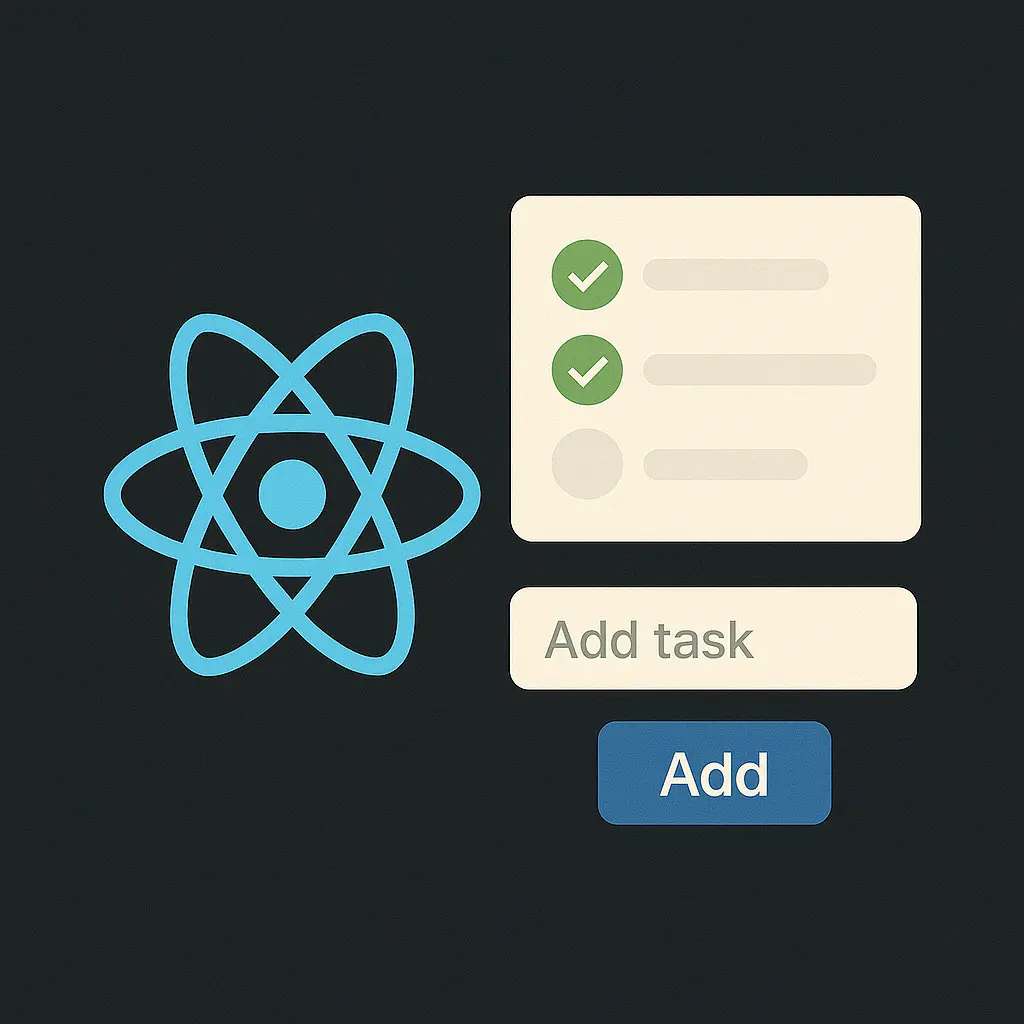
It’s time to put everything together — components, props, events, forms, and state — into your first working React mini-app: a clean, type-safe Todo List you can extend later with a real backend.
Interactivity defines the web. In this post, you’ll master event handling, form state, and validation in React using TypeScript — building reliable, predictable UI experiences.
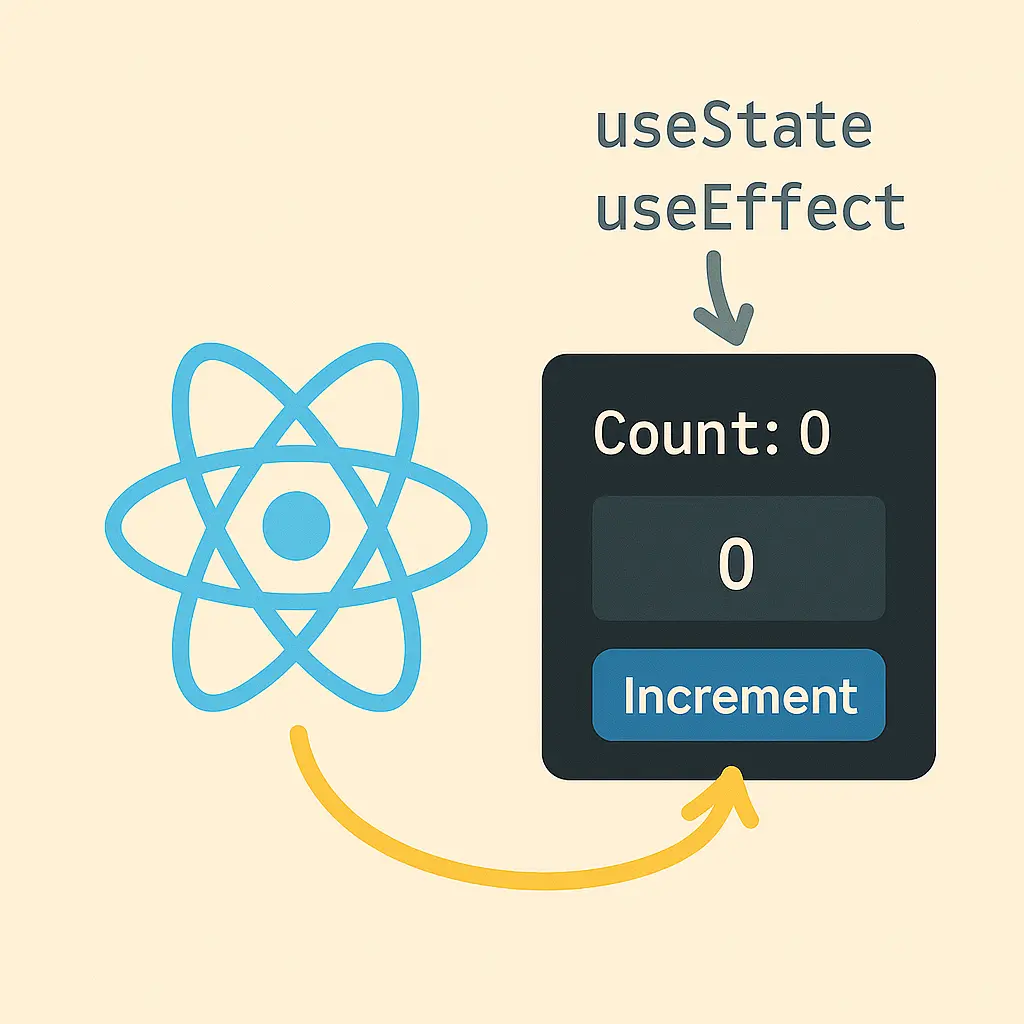
Every dynamic React app revolves around state — what the user sees, what changes, and when. In this post, you’ll master useState and useEffect, the twin pillars of reactivity.
Components are the building blocks of every React application. In this post, you’ll learn how to structure, type, and reuse components safely and effectively with TypeScript.
Results